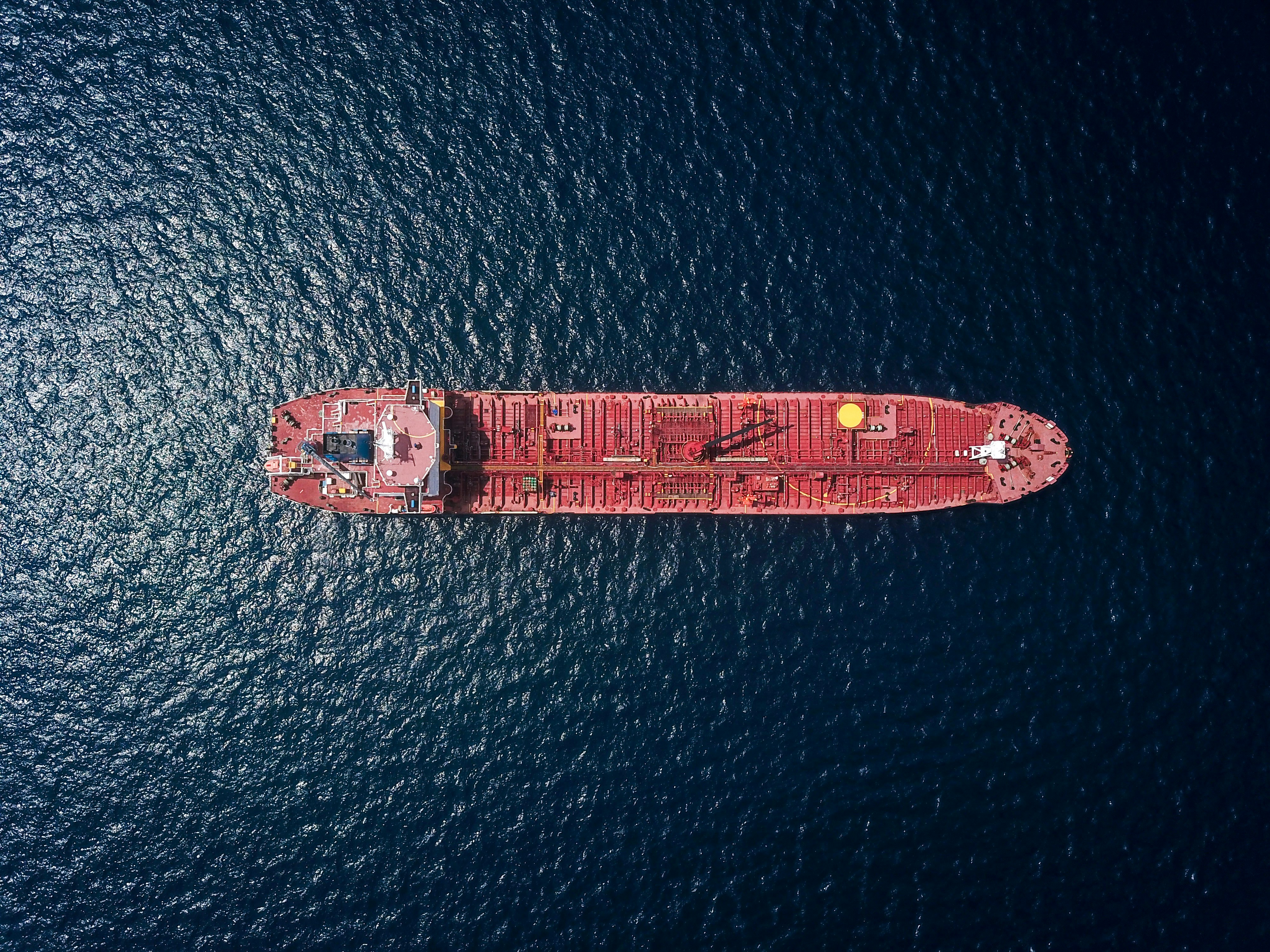
The session opened ugly and closed only slightly less ugly. The S&P 500 slipped 0.94% to close at 6,816.63, while the Nasdaq Composite shed 1.02% and the Dow lost 403 points. At the lows it was considerably worse — the S&P had dropped as much as 2.5% intraday before dip buyers stepped in. The afternoon save came from an unlikely source: Trump posted on Truth Social that the U.S. Navy will escort tankers through the Strait of Hormuz if necessary, pledging that the U.S. will ensure the “free flow of energy to the world.” Markets trimmed losses on the headline.
What Drove the Selling
The dominant fear remains oil and inflation. Iran’s closure of the Strait of Hormuz — through which roughly 13 million barrels of crude transit daily — sent futures down hard premarket, with S&P futures off 1.6% and Nasdaq futures down more than 2%.
The inflation read underneath the market stress is getting worse, not better. The ISM Prices Paid index surged to its highest level since June 2022 — and that was before factoring in the spike in oil prices from the Middle East conflict. The headline ISM Manufacturing PMI came in at 52.4 for February, beating expectations of 51.8 and marking a second consecutive month of expansion — but the prices subindex hit 70.5, up 11.5 points from January.
The bond market is not playing the traditional safe-haven role. The 10-year Treasury yield, which ended February at 3.96%, spiked to 4.107% by today — bondholders demanding an inflation premium as energy costs surge. According to CME FedWatch, the probability of a summer rate cut has effectively evaporated, with markets now pricing a higher-for-longer stance potentially through September 2026.
Winners & Losers
Defense held its bid. Lockheed Martin gained 6% and Northrop Grumman was up 5% as the procurement cycle thesis accelerated. Drone maker AeroVironment jumped more than 10%.
Energy was mixed after Monday’s surge, with integrateds still outperforming. Exxon Mobil shares had gained more than 4% on Monday, with Chevron and ConocoPhillips advancing 3% and 5% respectively — giving back some of those gains intraday Tuesday before stabilizing.
Travel and leisure remained the hardest-hit pocket of the market. Carnival tumbled nearly 6% in Tuesday’s session after closing down 7.6% on Monday. Royal Caribbean shed 3.6% and Norwegian Cruise Lines dropped roughly 6%.
Memory and semis were collateral damage. Semiconductor equipment names including Applied Materials, Lam Research, KLA, and ASML were all down more than 6%.
One bright spot: Target shares rose about 6% after the company said it is on track to end its sales slump, with CEO Michael Fiddelke noting a strong February sales increase.
The Macro Overhang
The conflict is expanding at the margins. Drones struck the U.S. embassy in Riyadh. The State Department ordered evacuations at facilities in Bahrain, Iraq, and Jordan. Hezbollah attacked Tel Aviv. Trump said Tuesday the conflict could run another four weeks — which markets clearly did not love.
The geopolitical stress is also bleeding into trade policy friction. Trump threatened to cut off all trade with Spain after the Spanish government denied the U.S. permission to use its bases for Iran operations.
What to Watch
The Navy escort announcement is the most important near-term catalyst — confirmation that tankers are moving freely through Hormuz is the single most powerful bullish trigger for equities right now. Until then, the key metrics are the 10-year yield’s ability to hold around 4.10% and weekly crude inventory reports, which will indicate whether the supply shock is physical or psychological.
Friday’s jobs report is the next major data point. Economists expect U.S. payrolls to have added 60,000 jobs in February, down from January’s stronger-than-expected 130,000 print. A weak number combined with elevated oil prices would put the Fed in a genuinely difficult position.
Defense and energy remain the only clean longs. Stay patient on quality growth names — the re-entry window is approaching but isn’t here yet.